Research peptides are synthetic peptides sold as laboratory reference materials for in-vitro and animal research, not as medicines. Most are short chains of amino acids copied from, or modelled on, natural hormones and protein fragments. Because they are not approved drugs, the only assurance of what is in a vial is the supplier’s documentation, which makes testing and traceability the core of buying them.
What counts as a research peptide
A peptide is a chain of amino acids joined by peptide bonds; most research peptides are between 3 and about 40 residues long (see what is a peptide?). “Research peptide” is not a chemical class but a supply category: a peptide sold for laboratory research and labelled “research use only”. Several compounds sold in the same catalogues are not peptides at all, such as NAD+, SLU-PP-332 and 5-amino-1MQ.
Many research peptides are also, or were once, drug candidates. Some are the same molecules as approved medicines, such as tirzepatide; some are investigational, such as retatrutide; and many, like BPC-157 or TB-500, have never been through a full clinical programme. The research-use label means the material is not approved or intended for human or veterinary use, whatever the molecule’s history.
Research peptides by research area
| Research area | Examples in our catalogue |
|---|---|
| Incretin and metabolic receptor agonists | Retatrutide (GLP-3 Reta), tirzepatide (GLP-2 Tirz), survodutide |
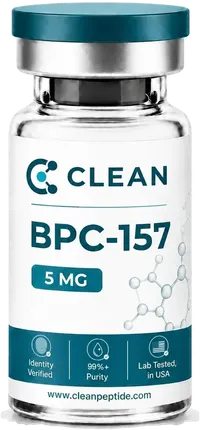
| Tissue-repair models | BPC-157, TB-500, BPC-157 / TB-500 blend |
| Growth hormone axis | Tesamorelin, CJC-1295, IGF-1 LR3 |
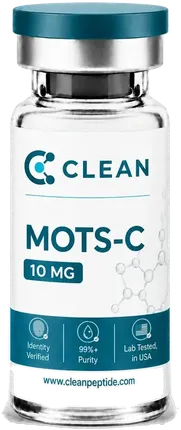
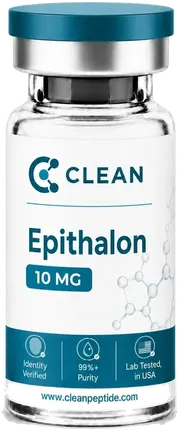
| Mitochondrial and cellular | MOTS-C, SS-31, Epithalon |
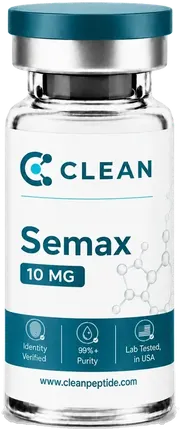
| Neuropeptides | Selank, Semax, DSIP |
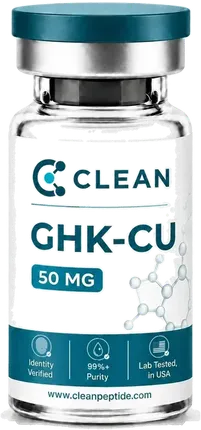
| Copper peptides | GHK-Cu |
| Melanocortins | Melanotan II, PT-141, KPV |
| Immune research | Thymosin Alpha-1 |
| Blends | KLOW, BPC-157 / TB-500 |
| Ready-made solutions | Selank, Semax, DSIP, PT-141 and Adamax sprays |
What “high purity” should mean
Suppliers of high purity research peptides usually quote an HPLC purity figure, often “99%+”. That number is meaningful only with three things attached: the lot it belongs to, the laboratory that measured it, and the method. Even then, purity is one result of several. A complete certificate also confirms identity, measures how much peptide is in the vial (net peptide content), and screens for contaminants such as endotoxin and heavy metals. Our peptide testing guide explains each of those tests.
How to verify research peptides before you buy
- A certificate per lot, not per product. The certificate should name the lot on the vial you are buying, and each size should have its own.
- A named laboratory you can check. Look for the lab’s name and a way to confirm the report with the lab itself, such as a verification code.
- Identity, not just purity. An identity result (by HPLC retention time against a reference standard, or by mass spectrometry) shows the vial contains the right molecule.
- Measured content against the label. Net peptide content shows how many milligrams are really there.
- Contaminant screens. Endotoxin, sterility and heavy metals at minimum; some labs add a fentanyl screen.
- Consistency. Product name, size and lot should match across the page, the certificate and the label.
Our full checklist is in where to buy research peptides: 10 checks.
How Clean Peptide documents its research peptides
Every size we sell has a certificate on its product page, readable before purchase without an account. Most of our current lots were analysed by ILS Laboratories in San Diego, which states ISO/IEC 17025 accreditation for activities within its published scope and lets anyone check a report on its public portal using the code printed on the certificate. The current position, counted live from the certificates on file:
| Laboratory | Sizes on sale | Products | HPLC purity reported | Analysed |
|---|---|---|---|---|
| ILS Laboratories | 20 | 14 | 99.26% – 99.90% | 3 Sep 2026 – 21 Sep 2026 |
| HYTE Research Division | 7 | 7 | 99.74% – 99.97% | 27 Aug 2026 – 7 Oct 2026 |
| Accurate Test Labs | 3 | 2 | 99.80% | 22 Jul 2026 – 24 Aug 2026 |
| Laboratory not named | 1 | 1 | 99.62% | 1 Jul 2026 |
31 sizes on sale today carry a certificate. Counted from the certificate data on each product page when this page loads.
The figures in the table come from the certificates themselves. Where a certificate does not report a purity figure, as with the bacteriostatic water’s endotoxin-only report, none is shown.
Regulatory context
Research peptides are not approved medicines, and several common ones are now named in regulatory lists. FDA’s page on bulk substances that may present significant safety risks in compounding lists, among others, BPC-157, TB-500, KPV, AOD-9604, ipamorelin, Melanotan II, DSIP, Selank and Semax, citing limited human safety data. WADA’s 2026 Prohibited List names BPC-157 and TB-500. Each of our product and research pages states the status of its compound. FDA compounding safety-risk list.
Research guides by compound
- Blends: GLOW, KLOW vs GLOW, the Wolverine stack
- Incretins: GLP-1 vs GLP-2 vs GLP-3, retatrutide vs semaglutide, retatrutide vs tirzepatide, retatrutide price
- Growth hormone axis: tesamorelin vs ipamorelin, tesamorelin vs sermorelin
- Neuropeptides: Selank vs Semax
- Compounds we do not stock: AOD-9604, SLU-PP-332, ipamorelin, 5-amino-1MQ, cagrilintide
- All research guides