Growth Hormone & IGF Peptides
Research peptides that act on the growth hormone and IGF-1 axis: tesamorelin, CJC-1295 and IGF-1 LR3, each lot with its own certificate of analysis. For laboratory research use only.
Showing all 3 results
-
Research use only−30%
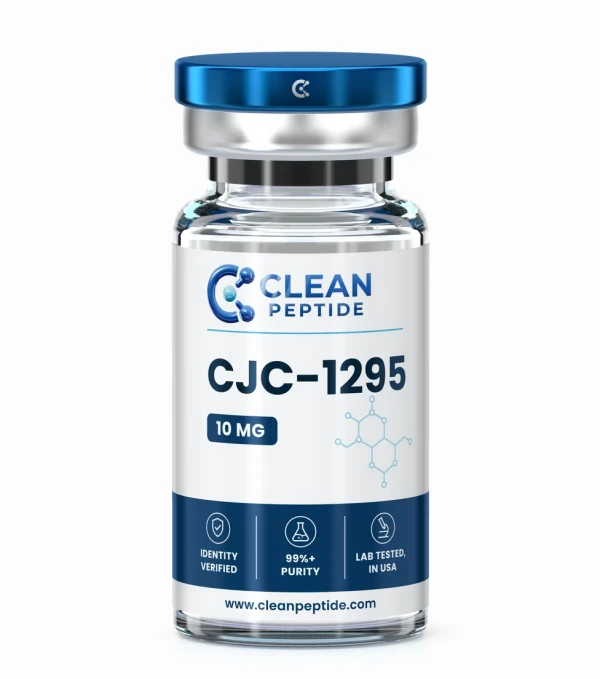 Growth Hormone & IGF Peptides
CJC-1295
Original price was: $99.99.$69.99Current price is: $69.99.Learn more about CJC-1295 -
Research use only−30%
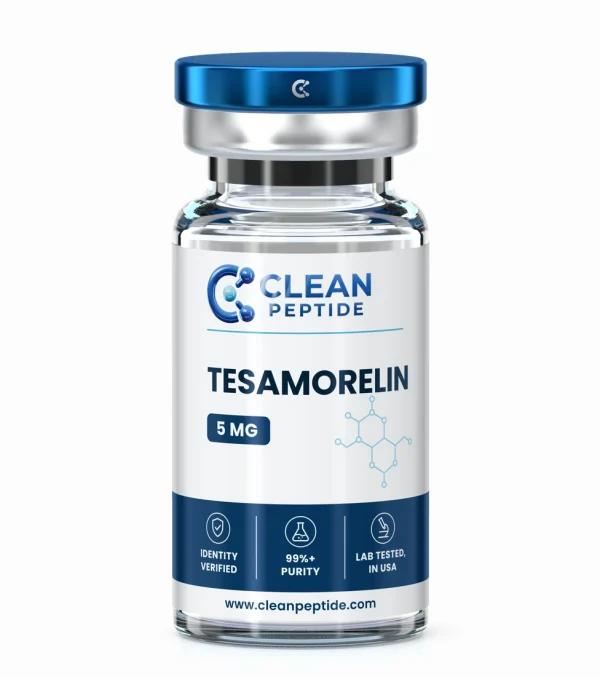 Growth Hormone & IGF Peptides
TESAMORELIN
Original price was: $120.00.$84.00Current price is: $84.00.Learn more about TESAMORELIN -
Research use only−30%
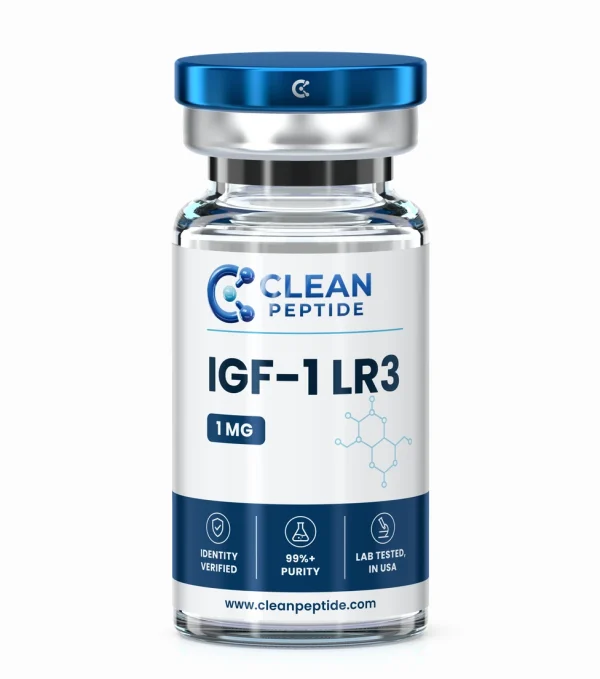 Growth Hormone & IGF Peptides
IGF-1 LR3
Original price was: $134.54.$94.18Current price is: $94.18.Learn more about IGF-1 LR3


About Growth Hormone & IGF Peptides
Growth hormone peptides, in research catalogues, are the peptides that act along the growth hormone (GH) and IGF-1 axis. This category lists three: tesamorelin, a synthetic analogue of growth hormone-releasing hormone (GHRH 1-44) and the active ingredient of an FDA-approved medicine; CJC-1295, a modified GHRH(1-29) analogue; and IGF-1 LR3, an 83-amino-acid analogue of insulin-like growth factor 1. The first two act on the GHRH receptor of the pituitary; IGF-1 LR3 acts on the IGF-1 receptor, one step further along the axis.
Every compound here ships as lyophilized powder in a sealed vial, each size against an ILS Laboratories certificate for its own lot: identity by HPLC, HPLC purity, net peptide content, heavy metals, a fentanyl screen, sterility and endotoxin. Sold for laboratory research use only, not for human or veterinary use, to buyers aged 21 or over.
Related: IGF-1 LR3 tesamorelin CJC-1295 certificate library Tesamorelin vs sermorelin Tesamorelin vs ipamorelin How to read a peptide COA
Common questions
What are growth hormone peptides?
A catalogue term for peptides that act on the growth hormone and IGF-1 axis: GHRH analogues such as tesamorelin and CJC-1295, ghrelin-receptor agonists such as ipamorelin, and IGF-1 analogues such as IGF-1 LR3. It describes where the peptides act, not any use.
Are these growth hormone secretagogues?
Tesamorelin and CJC-1295 are: a secretagogue is a compound that makes the pituitary release growth hormone, and both do so through the GHRH receptor. IGF-1 LR3 is not; it acts on the IGF-1 receptor, downstream of growth hormone.
What is IGF-1 LR3?
IGF-1 LR3 is an 83-amino-acid analog of human insulin-like growth factor 1. It carries an arginine for glutamic acid substitution at position 3 and a 13-residue N-terminal extension, which lowers its affinity for IGF binding proteins relative to the native 70-amino-acid sequence. It is studied in cell-culture and preclinical literature as a research reagent.
What is tesamorelin?
Tesamorelin is a synthetic analogue of growth hormone-releasing hormone (GHRH 1-44) with an N-terminal trans-3-hexenoyl group. It is the active ingredient of Egrifta, approved by FDA in 2010 for one HIV-related indication; the tesamorelin sold here is a laboratory reference material, not that product.
What documentation comes with every lot?
Every lot is documented on an ILS Laboratories certificate of analysis covering seven items: identity, purity by HPLC, heavy metals, a fentanyl screen, sterility, endotoxin, and measured milligrams against the label. The exact figures for a given lot are the ones printed on that lot’s certificate, which is published on the product page.
How is a certificate of analysis verified?
Each vial label carries a lab code. Entering that code in the certificate library returns the report issued for that specific lot, and the same code can be presented to the independent laboratory named on the certificate, so the document can be confirmed independently of this site. Archived reports for shipped lots sit in the same library.
What form are these compounds supplied in, and who may purchase them?
All three compounds are supplied as lyophilized powder in sealed vials, not in solution. Vials are stored sealed, cold and protected from light; the handling and storage conditions for a given lot are stated on its certificate. Everything in this category is sold for laboratory research use only, never for human or veterinary use, to purchasers aged 21 or over.