A peptide is a short chain of amino acids joined by peptide bonds in a defined order. Two amino acids make a dipeptide, three a tripeptide; longer chains that fold into stable structures are usually called proteins, with no fixed cutoff between the two. Peptides include hormones such as insulin and oxytocin, signalling and defence molecules, more than 80 approved medicines, and synthetic reference materials made for laboratory research.
Here, we explain their chemistry, types, roles and uses, and how a research peptide is verified.
What Is a Peptide?
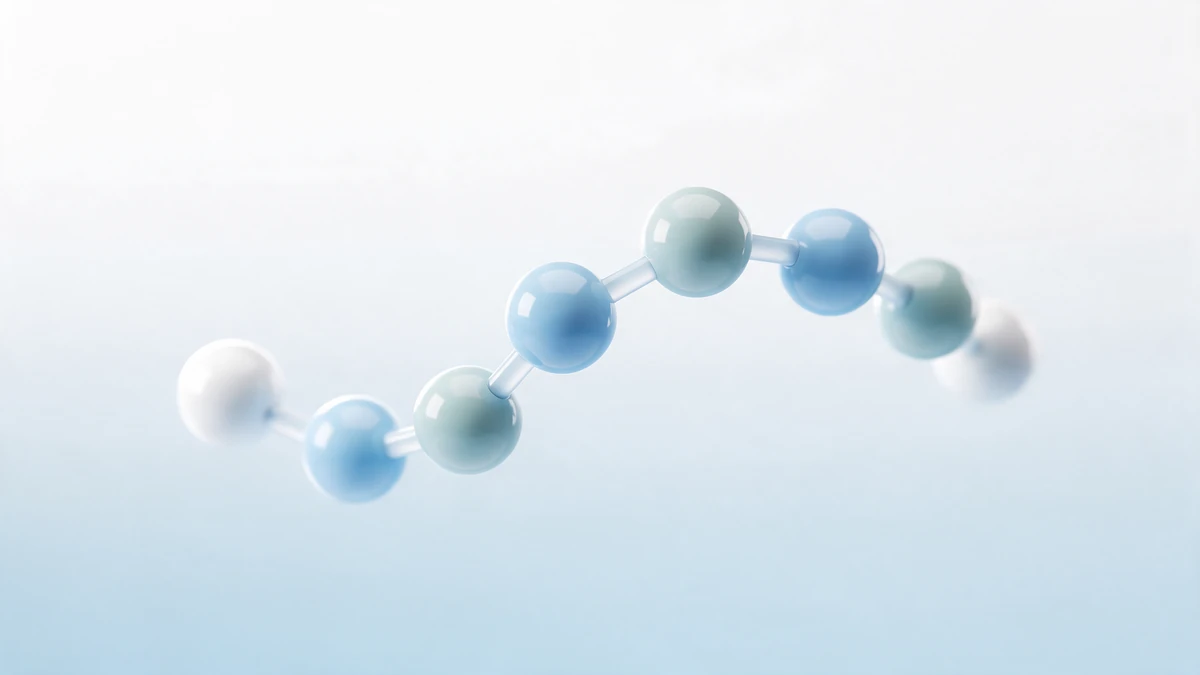
A peptide is a molecule made from amino acids connected in a specific order. Each amino acid within the chain is called a residue. The links between neighboring residues are peptide bonds [1].
Two residues form a dipeptide, while three form a tripeptide. Short chains may be called oligopeptides, and longer ones may be called polypeptides. Naming varies by scientific field, structure, and function [1][2].
Peptide = amino acids + peptide bonds + a defined sequence.
What Are Peptides Made Of?
Peptides are made of amino acids linked together in a specific order through peptide bonds. This order creates the peptide sequence and helps shape how the molecule behaves.
Amino Acids
Amino acids are small organic molecules that serve as the building blocks of peptides and proteins. Each amino acid has a side chain with distinct chemical properties. These differences can affect a peptide’s charge, shape, stability, and molecular interactions [1][2].
Peptide Bonds
Peptide bonds connect neighboring amino acids within the chain. Each bond forms between the carboxyl group of one amino acid and the amino group of another. Together, these bonds create the backbone that holds the peptide sequence in place [2].
How Do Peptides Work?
There is no single answer to how peptides work. A sequence influences three-dimensional structure, which shapes molecular interactions and possible function. Certain peptides bind specific receptors, while others interact with membranes, enzymes, metals, or other molecules.
The body makes peptides for many biological processes. Some act as hormones or neuropeptides that carry signals between cells. Others help regulate blood sugar, inflammation, tissue activity, or the immune system. Antimicrobial examples support early defense against microbes [3].
Observed effects always depend on the exact molecule and research model. Evidence from in vitro work cannot establish effects in animals or humans.
Peptides vs Amino Acids vs Proteins
Amino acids are single building blocks, while peptides are chains of these units linked by peptide bonds. Proteins are usually longer chains that fold into more complex structures and carry out specific biological functions.
| Feature | Amino acids | Peptide chains | Proteins |
|---|---|---|---|
| Basic form | Single organic molecules |
Residues joined in a defined chain |
One or more folded polypeptide chains |
| Bonding | No peptide backbone alone |
Peptide bonds connect residues |
Peptide bonds form the backbone, with added structural interactions |
| Typical size | One building block |
Usually short to moderate chains |
Generally longer and more structurally complex |
| Structure | Individual molecule |
Linear, branched, or cyclic |
Often stable secondary, tertiary, or multi-chain structures |
| Common roles | Metabolic inputs and synthesis units |
Signals, hormones, defense molecules, and research probes |
Enzymes, receptors, antibodies, and transport |
| Example | Glycine |
Oxytocin |
Hemoglobin |
Main Types of Peptides
- By chain length: dipeptides contain two residues, tripeptides contain three, and oligopeptides contain several. Polypeptides are longer.
- By structure: linear forms have open ends. Cyclic forms create a ring through covalent connections.
- By biological function: categories include peptide hormones, neuropeptides, signaling molecules, and antimicrobial compounds.
- By origin: natural forms arise through biological processes. A synthetic peptide is assembled under controlled laboratory conditions.
These labels can overlap, so you may need more than one description for a study. Oxytocin is both a natural peptide hormone and a cyclic nonapeptide containing nine residues [4].
Natural vs Synthetic Peptides
Cells throughout the body produce natural examples, often as larger precursors that enzymes later process. Oxytocin and vasopressin are nine-residue hormones. Glucagon contains 29 residues and participates in glucose regulation [4][5][6].
A synthetic peptide can reproduce a natural sequence or introduce planned changes. Solid-phase peptide synthesis, or SPPS, builds a chain step by step on an insoluble support. Merrifield’s original method established this approach [7].
Origin alone does not establish performance or safety. Natural and synthetic materials still require sequence-specific study, suitable controls, and clear analytical documentation.
What Are Peptides Used For?
Peptides do three broad jobs, depending on where they are found.
In the body, they act as hormones (insulin and glucagon regulate blood glucose; oxytocin and vasopressin are pituitary hormones), as neuropeptides that carry signals between nerve cells, and as antimicrobial peptides in early immune defence [3][4][5][6][9].
In medicine, more than 80 peptide drugs have reached the market since insulin was introduced about a century ago, for conditions including diabetes, cancer, osteoporosis, multiple sclerosis, HIV infection and chronic pain [9]. The GLP-1 receptor agonists such as semaglutide are among the best known; see tirzepatide vs semaglutide.
In research, synthetic peptides serve as reference standards, assay controls, receptor ligands, calibration materials and pathway probes across biochemistry, cell biology, analytical chemistry, pharmacology and immunology. The exact molecule and experimental system should always be named.
What Are Research Peptides?
Research peptides are specific amino acid sequences produced for controlled laboratory studies. Researchers use them to examine molecular structure, receptor activity, cell signaling, and other biological processes. They are supplied as research materials, not approved medicines or products for human use.
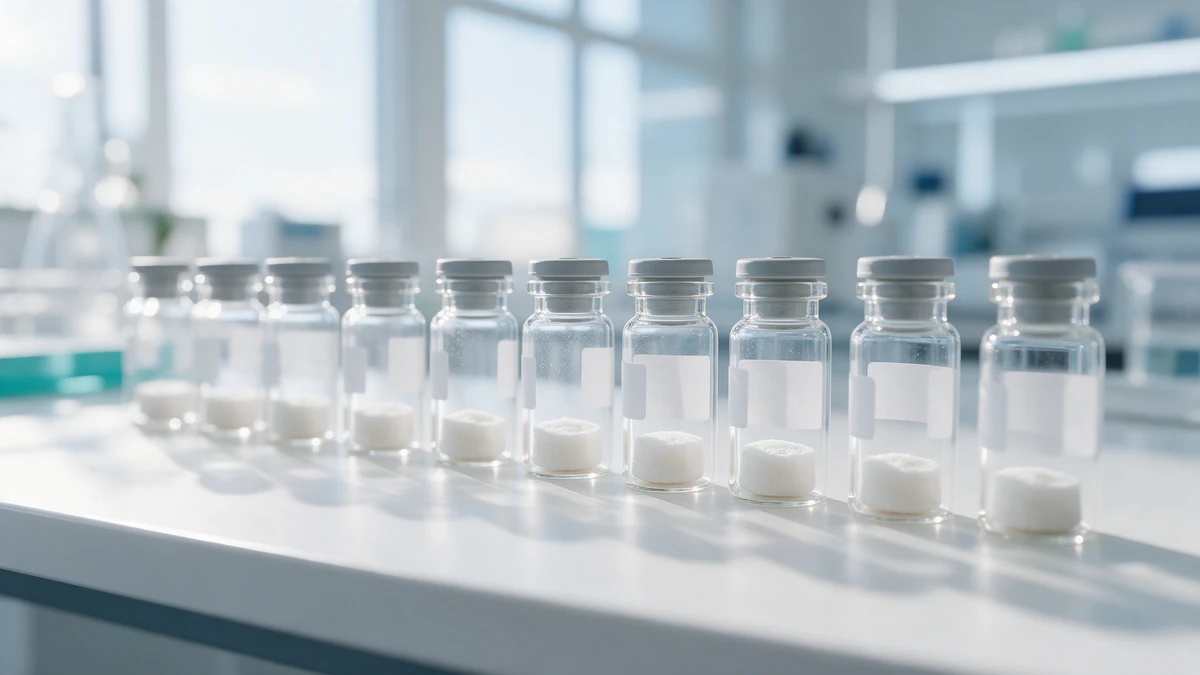
The scientific compound and the commercial peptide product are separate ideas. When you review a listing, one name describes the sequence. The product record describes a supplied lot, form, amount, handling information, and documentation.
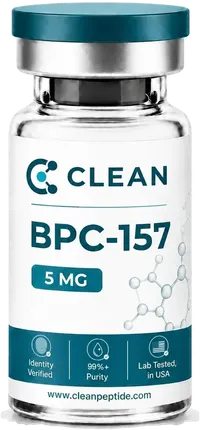
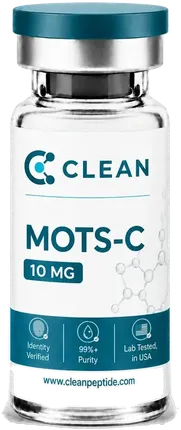
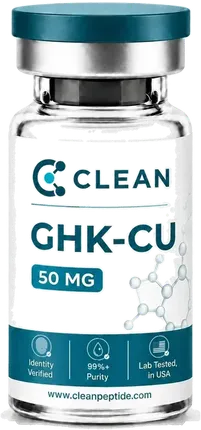
CleanPeptide supplies reference materials strictly for in vitro laboratory research. Researchers can browse the catalog or review BPC-157, CJC-1295, GHK-Cu, and MOTS-C. Each listing is a research product record, not human-use guidance.
How Are Research Peptides Verified?
Verification should answer separate questions about a material. Identity asks whether the expected molecule is present. Purity estimates the relative share of the main chromatographic component. Content, potency, concentration, sterility, and endotoxin are different attributes and require their own suitable methods.
Identity: Reference-Standard Match or Mass Spectrometry
Identity is usually shown one of two ways. An HPLC retention-time match compares when the sample elutes with when an authentic reference standard of the same peptide elutes under the same conditions; a match supports identity. Mass spectrometry, or MS, measures mass-to-charge signals and compares the observed molecular mass with the expected one, which distinguishes peptides that elute close together. Neither, by itself, proves purity, content, sterility or biological potency. More in peptide testing.
Purity by HPLC
High-performance liquid chromatography, or HPLC, separates sample components. The chromatogram can estimate area-based purity under the stated method. A high percentage does not replace identity testing, and coelution can complicate interpretation [8].
Lot-Specific Documents
A certificate of analysis, or COA, should connect results to the exact batch. When you review one, check the method names, values, dates, and sample details. Separate testing may address content or endotoxin.
We publish the certificate for every lot we sell, and each product page says what it covers. Most of the catalogue is analysed by ILS Laboratories, whose certificates confirm identity by HPLC retention time against a reference standard and report HPLC purity, net peptide content, endotoxin, sterility, heavy metals and a fentanyl screen; a few certificates cover fewer tests. Researchers can compare the lot number on the vial with its certificate before use.
Common Misconceptions About Peptides
- Are peptides just small proteins?
Not exactly. Both are made of amino acids, but peptides are usually shorter and have simpler structures. There is no fixed size where a peptide becomes a protein. - Are all peptides hormones?
No. Some peptides act as hormones, including oxytocin and glucagon. Others support cell signaling, immune defense, or different biological processes. - Are all peptides drugs?
No. Peptide is the name of a molecular class. Some are natural molecules, some are laboratory materials, and a smaller number are approved medicines. - Are natural peptides always safer?
No. A natural origin does not prove that a peptide is safe. Safety depends on the exact molecule, amount, exposure route, and available evidence. - Is a research peptide the same as an approved medicine?
No. A research peptide is supplied for laboratory study. It has not automatically been reviewed or approved for human treatment, diagnosis, or consumption.
Research Sources
- National Library of Medicine, MeSH: Peptides
Official scope note covering peptide bonds, structures, and approximate naming ranges. - IUPAC Gold Book: Peptides
Chemical terminology for peptides and amino acid residue chains. - National Library of Medicine, MeSH: Antimicrobial Peptides
Official scope note on their role in early defense against microbes. - UniProtKB: Oxytocin-neurophysin 1 proprotein
Reviewed human record identifying mature oxytocin as residues 20 to 28. - UniProtKB: Vasopressin-neurophysin 2-copeptin
Reviewed human record identifying mature arginine vasopressin. - UniProtKB: Glucagon
Reviewed human record identifying the 29-residue glucagon sequence. - Merrifield, 1963: Solid Phase Peptide Synthesis I
Original report describing stepwise assembly on a solid support. - FDA: Comparative Peptide Impurity Profile Studies
Technical material on chromatography and mass spectrometry for peptide impurity assessment. - Trends in peptide drug discovery
Muttenthaler M, et al. Nature Reviews Drug Discovery, 2021. More than 80 peptide drugs on the market since insulin.
Research use only: CleanPeptide products are not drugs, dietary supplements, cosmetics, or medical devices. They are not intended for human or veterinary use, diagnosis, treatment, or consumption.