Healing Research Peptides
Showing all 4 results
-
Research use only−30%
 Healing Research Peptides
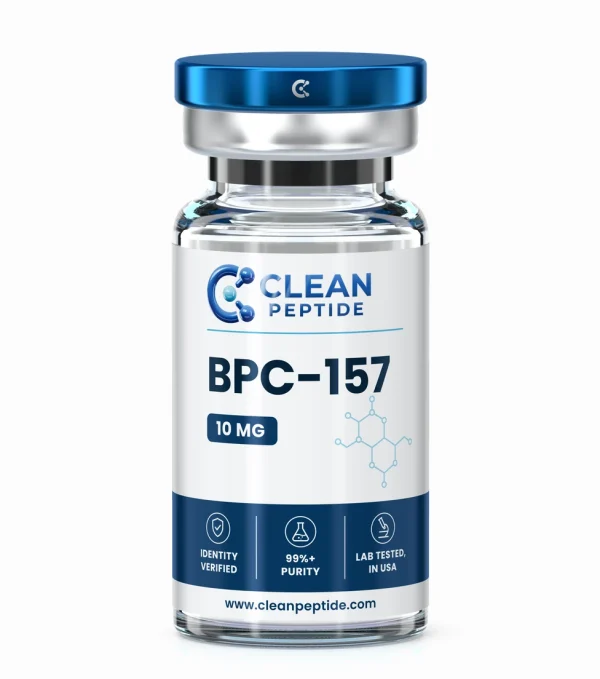
BPC-157
Original price was: $64.39.$45.07Current price is: $45.07.Learn more about BPC-157 -
Research use only−30%
 Healing Research Peptides
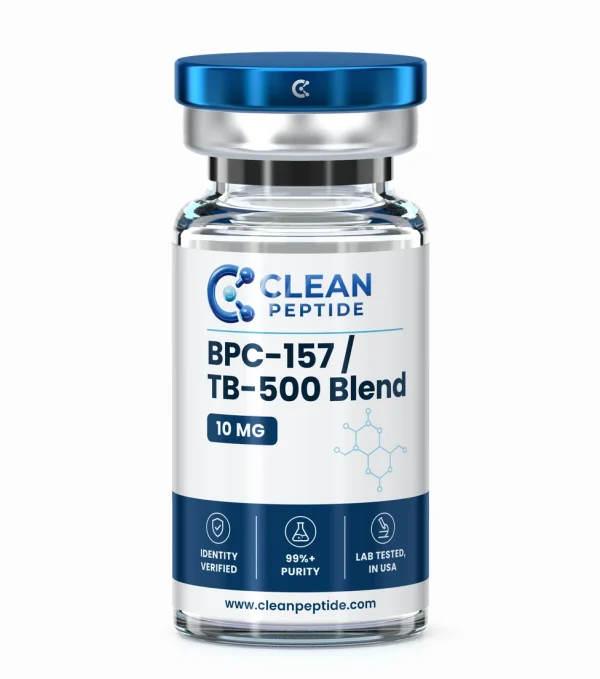
BPC-157 / TB-500 Blend
Original price was: $77.99.$54.59Current price is: $54.59.Learn more about BPC-157 / TB-500 Blend -
Research use only−30%
 Healing Research Peptides
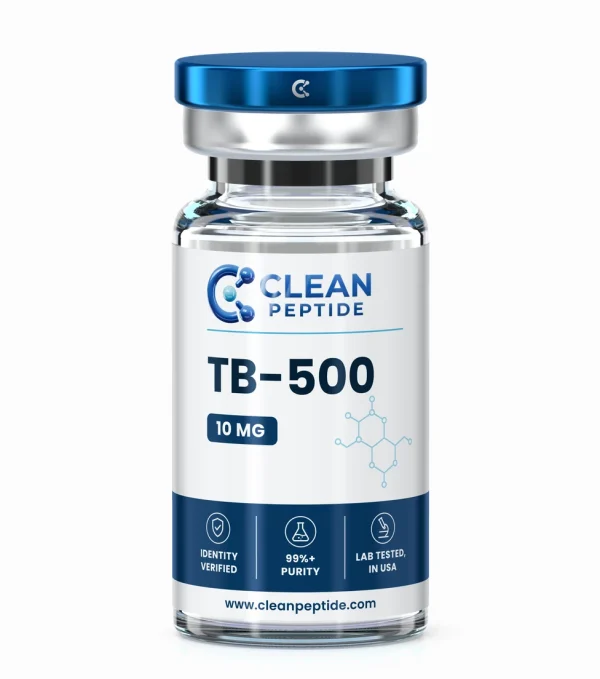
TB-500
Original price was: $168.00.$117.60Current price is: $117.60.Learn more about TB-500 -
Research use only−30%
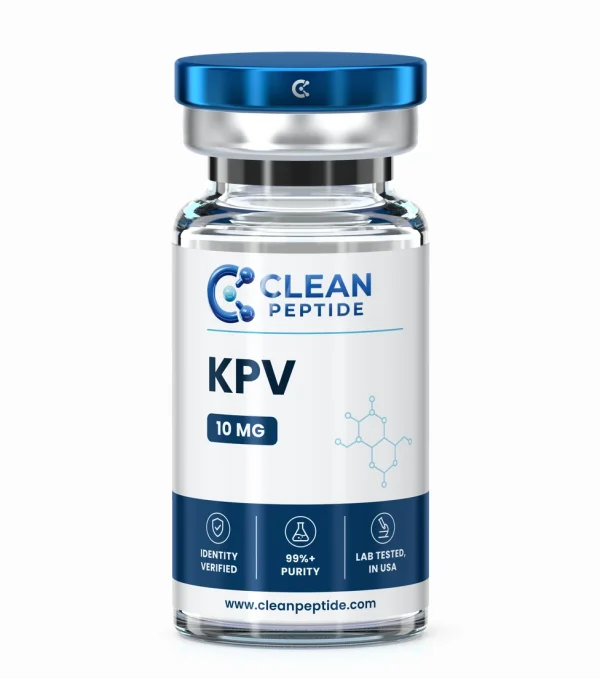 Healing Research Peptides
KPV
Original price was: $52.89.$37.02Current price is: $37.02.Learn more about KPV


About Healing Research Peptides
BPC-157 and TB-500 are synthetic peptides supplied as reference material for laboratory research use only. BPC-157 is a 15-amino-acid sequence corresponding to a partial sequence of a protein identified in gastric juice. TB-500 is a synthetic fragment of thymosin beta-4, an actin-binding protein. This category lists them on their own and together in one vial, as the BPC-157 / TB-500 blend, along with KPV, the tripeptide Lys-Pro-Val from the C-terminal end of alpha-melanocyte-stimulating hormone. All are studied in published preclinical work on tissue, cell and inflammation models; none is approved for human or veterinary use.
Everything here ships as lyophilized powder in sealed vials, each size against the certificate of analysis for its own fill. The ILS Laboratories certificates (TB-500, BPC-157 10 mg and both blend sizes) are full panels: identity, HPLC purity, net peptide content, heavy metals, a fentanyl screen, sterility and endotoxin; the blend certificates also give the content of each peptide. The BPC-157 20 mg lot was tested by Accurate Test Labs for HPLC purity, identity and net content, and the KPV lot by HYTE Research Division for HPLC purity and content. Sales are restricted to buyers aged 21 and over.
Related: BPC-157 TB-500 BPC-157 / TB-500 blend KPV TB-500 vs BPC-157 BPC-157 and TB-500 together: the Wolverine stack What to check before buying BPC-157 How to read a peptide COA
Common questions
What is BPC-157, and what is TB-500?
BPC-157 is a synthetic 15-amino-acid peptide corresponding to a partial sequence of a protein identified in gastric juice. TB-500 is a synthetic fragment of thymosin beta-4, an actin-binding protein. This category lists both as individual compounds and as the BPC-157 / TB-500 blend, which holds both in one vial.
What is the difference between BPC-157 and TB-500?
They are unrelated sequences with different molecular targets. BPC-157 is a pentadecapeptide studied in preclinical literature for its interaction with growth factor and nitric oxide signalling pathways. TB-500 corresponds to the actin-binding domain of thymosin beta-4 and is studied in the context of actin sequestration and cell migration in vitro. The two are frequently studied in parallel, which is why suppliers list them together.
What is in the BPC-157 / TB-500 blend?
Both peptides in one vial, filled in equal parts. The ILS Laboratories certificate for each size measures the content of each peptide alongside the total: the current 10 mg lot measured 5.25 mg of each, and the 20 mg lot 10.45 mg of each.
What is KPV?
KPV is the tripeptide Lys-Pro-Val, the last three residues of alpha-melanocyte-stimulating hormone (alpha-MSH 11-13). It is studied in published cell and animal models of inflammation. It is supplied here as a 10 mg lyophilized vial for laboratory research only.
What documentation comes with every lot?
Every size ships against a certificate of analysis for its own fill. The ILS Laboratories certificates for TB-500, the 10 mg BPC-157 lot and both blend sizes are full panels: identity, HPLC purity, net peptide content, heavy metals, a fentanyl screen, sterility and endotoxin. The 20 mg BPC-157 lot was tested by Accurate Test Labs for HPLC purity, identity and net peptide content, and the KPV lot by HYTE Research Division for HPLC purity and content. The figures on each certificate are for that lot only.
How is the certificate of analysis for a lot verified?
Each certificate carries a lot code and names the laboratory that ran the panel. The certificate is published on the product page for the size it belongs to, and the lot code printed on it can be checked directly with that laboratory. No account or login is needed to open a certificate, and every size sold has its own report rather than one shared report per compound.
What form do these ship in, how are they stored, and who may buy them?
Everything in this category ships as lyophilized powder in sealed vials. Storage conditions for the sealed vial are printed on the product page and on the certificate for that lot. Sales are limited to buyers aged 21 and over and to laboratory research use only. These materials are not for human or veterinary use, and are not approved for either.