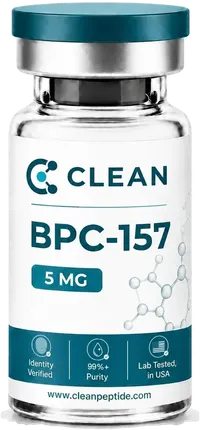
Buying BPC-157 for laboratory research should involve more than comparing price, vial size, or a headline purity percentage. Researchers need to know whether the material has been appropriately characterized, whether the analytical documentation applies to the specific lot being supplied, and what each reported test actually establishes.
BPC-157 is a synthetic 15-amino-acid peptide that remains investigational. Recent reviews describe a large preclinical literature but very limited human evidence, and FDA materials state that BPC-157 free base and BPC-157 acetate are not components of an FDA-approved drug.
For research procurement, the practical question is therefore not whether a supplier makes the biggest quality claim. It is whether that claim can be verified.
Quick answer: Before buying BPC-157 for research, check the lot-specific Certificate of Analysis (COA), matching batch number, peptide identity testing, high-performance liquid chromatography (HPLC) purity data, measured peptide content where available, testing laboratory, storage specifications, and research-use-only positioning. Most importantly, confirm that the documentation applies to the exact BPC-157 lot being supplied.
BPC-157 Buying Checklist
| Check | What to Look For |
|---|---|
| Certificate of Analysis | Current document for the specific BPC-157 lot |
| Lot number | Same identifier on the material and COA |
| Identity | Appropriate analytical identity confirmation |
| Purity | HPLC data with method and result |
| Peptide content | Quantitative content reported separately where available |
| Testing | Lab, date, sample, and methods clearly identified |
| Storage | Product-specific handling information |
| Supplier transparency | Actual analytical data rather than unsupported adjectives |
| Intended use | Clearly supplied for laboratory research |
1. Check the BPC-157 Certificate of Analysis
A Certificate of Analysis should tell you more than that a supplier has “tested” its BPC-157.
At minimum, the document should make clear what was tested, which lot the sample came from, when testing occurred, which analytical methods were used, and what results were obtained.
That lot connection matters. A generic BPC-157 COA that has been displayed for months or years may say something about a historical sample, but it does not necessarily characterize the material currently being sold.
The useful question is:
Can you connect the analytical report to the BPC-157 research material you are actually purchasing?
A COA is strongest when that answer is straightforward.
2. Make Sure the Lot Number Matches
The lot number is what connects the physical research material to its analytical records.
If a BPC-157 vial carries one batch number but the supplier shows a COA for another, the published results do not directly establish the characteristics of the vial in front of you.
This sounds basic, but it is one of the easiest checks researchers can make before ordering.
A good COA for the wrong lot is still the wrong COA.
The supplier should make the lot identifier easy to locate and provide corresponding documentation for that same batch.
3. Verify BPC-157 Identity, Not Just Purity
Peptide identity and peptide purity are different quality attributes.
Identity asks whether the material corresponds to the peptide it is claimed to be. Mass spectrometry (MS) and liquid chromatography-mass spectrometry (LC-MS) are established techniques for characterizing synthetic peptides and can provide molecular evidence supporting peptide identity.
Purity asks a different question.
This is why a large “99% pure” statement should not end the evaluation.
A purity result without appropriate identity information leaves a very obvious question:
99% of what?
Researchers should inspect which analytical method was used and what the test was intended to establish rather than treating every laboratory result as interchangeable.
4. Understand What BPC-157 HPLC Purity Means
High-performance liquid chromatography is widely used in peptide characterization because it can separate components within a sample and help assess chromatographic purity. The analytical conditions and methodology influence what that measurement means.
A high HPLC purity result can therefore be valuable, but it does not automatically establish every other characteristic of a BPC-157 sample.
In particular:
HPLC purity ≠ peptide identity ≠ peptide quantity.
Research published with USP authors similarly treats identity, purity, strength/content, impurities, and related quality characteristics as distinct analytical questions that may require different methods.
So a supplier should not use one chromatographic percentage as shorthand for everything from identity to vial content.
5. Check the Actual Peptide Content
One of the easiest mistakes to make when evaluating BPC-157 is assuming that purity percentage and vial content mean the same thing.
They do not.
For example, a 99% HPLC purity result should not automatically be translated into:
A 10 mg vial therefore contains 9.9 mg of BPC-157.
HPLC purity describes chromatographic characteristics under the reported method. Quantitative content or assay addresses a different question: how much peptide material is actually present.
The distinction is important enough that synthetic-peptide quality frameworks evaluate identity, purity, and strength/content separately.
When possible, researchers should therefore look for both the stated vial amount and the quantitative evidence supporting that amount rather than inferring content from purity alone.
6. Check Who Performed the Testing
“Third-party tested” sounds reassuring, but the phrase is only as useful as the report behind it.
Independent testing can provide useful separation between the supplier making a claim and the laboratory generating the result. Researchers should still check whether the testing laboratory is named, the date is visible, the sample is identified, the lot corresponds to current material, and appropriate analytical methods were used.
The important principle is:
Third-party tested is a claim. The laboratory report is the evidence.
A supplier should make the supporting information reasonably easy to inspect rather than expecting buyers to rely on a badge or product-page slogan.
7. Review Storage and Product Specifications
Research material should also come with clear specifications.
For BPC-157, that means being able to identify the compound, material form, stated quantity, lot information, relevant analytical documentation, and product-specific storage conditions.
Avoid assuming that every research peptide should be handled identically. Peptide stability can depend on molecular structure, formulation, moisture, temperature, light exposure, and storage duration.
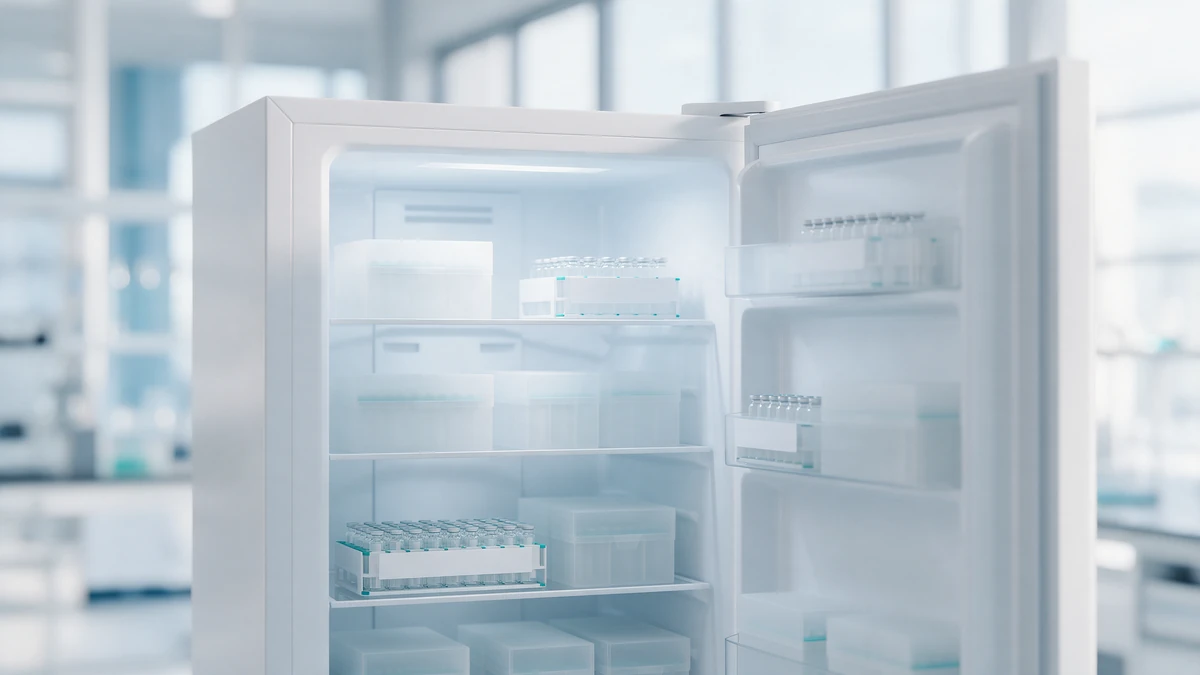
The supplier’s documentation should therefore provide handling information applicable to the material being sold rather than relying on generic advice copied across the entire catalog.
Does 99% Purity Mean BPC-157 Is High Quality?
Not by itself.
A reported 99% HPLC purity result can be a useful quality measurement, but it should be interpreted alongside peptide identity, lot traceability, testing methodology, quantitative content where available, and any other analytical characteristics relevant to the research.
The number is meaningful only when researchers can see where it came from.
A statement such as:
99%+ purity
is marketing until the analytical evidence behind it can be inspected.
How Can You Tell Whether a BPC-157 COA Is Legitimate?
Start by checking whether the COA clearly identifies BPC-157, the tested sample, lot or batch number, testing date, methods, laboratory, and analytical results.
Then compare the batch identifier on the certificate with the material being offered.
If an independent laboratory produced the report, determine whether the laboratory is identified and whether the report contains sufficient information to trace the testing back to the sample.
A professional-looking PDF alone does not establish that the certificate applies to the current product.
BPC-157 Supplier Red Flags
Common warning signs include a supplier showing no batch-specific documentation, displaying an unsupported “99% pure” claim, publishing a COA with no matching lot number, treating purity as proof of identity or quantity, omitting testing dates or laboratory details, or being unable to explain its own analytical reports.
Research-use positioning also matters. A supplier describing material as “research use only” while simultaneously publishing human dosing, injection protocols, or therapeutic promises is sending contradictory messages. FDA has specifically scrutinized peptide-related products and BPC-157 in the context of human drug use and compounding.
How to Compare BPC-157 Suppliers
A useful comparison focuses on evidence before price.
| Factor | Supplier A | Supplier B |
|---|---|---|
| Current lot-specific COA | ✓ / ✕ |
✓ / ✕ |
| Matching lot number | ✓ / ✕ |
✓ / ✕ |
| Identity result | ✓ / ✕ |
✓ / ✕ |
| HPLC purity data | ✓ / ✕ |
✓ / ✕ |
| Peptide content reported | ✓ / ✕ |
✓ / ✕ |
| Testing lab identified | ✓ / ✕ |
✓ / ✕ |
| Storage specifications | ✓ / ✕ |
✓ / ✕ |
| Clear research-use positioning | ✓ / ✕ |
✓ / ✕ |
| Price | $ |
$ |
A more expensive vial is not automatically better, and a cheaper vial is not automatically lower quality.
Compare documentation first and price second.
What to Look for in CleanPeptide BPC-157
At CleanPeptide, the emphasis is on making the current analytical documentation visible rather than asking researchers to accept generic quality claims.
The current BPC-157 product page publishes separate lot information for its available sizes and displays the associated testing laboratory, test date, HPLC purity result, measured net peptide content, identity result, and other results reported for the corresponding lot. Researchers can review the relevant certificate before ordering.
That follows the broader CleanPeptide approach: research materials are supplied with batch-specific documentation and positioned strictly for laboratory research rather than human or veterinary use.
Review BPC-157 Research Documentation
Before selecting BPC-157 for laboratory research, review the current product specifications and Certificate of Analysis for the lot being supplied.
The goal is simple: verify the material rather than relying on the adjective used to describe it.
View BPC-157 Specifications and Batch COA →
Frequently Asked Questions
What should I check before buying BPC-157 for research?
Check the current lot-specific COA, matching lot number, identity testing, HPLC purity result, quantitative peptide content where available, testing laboratory and date, storage information, and research-use-only positioning. The documentation should correspond to the exact BPC-157 lot being supplied.
What purity should BPC-157 have?
Rather than evaluating BPC-157 through one universal purity threshold alone, review the actual analytical report. A high HPLC purity result may be useful, but it should be considered together with peptide identity, lot traceability, analytical methodology, and other relevant product specifications.
Is HPLC enough to verify BPC-157?
HPLC is useful for chromatographic characterization and purity assessment, but peptide identity is a separate analytical question. Methods such as mass spectrometry or LC-MS are widely used in synthetic-peptide characterization to provide additional identity information.
What should a BPC-157 COA include?
A useful BPC-157 COA should identify the peptide, tested sample, batch or lot number, testing date, analytical methods, laboratory, and results. Depending on the testing performed, supporting chromatograms, spectra, content measurements, or additional quality data may also be provided.
Why does the BPC-157 lot number matter?
The lot number connects the research material with its analytical records. Matching the identifier on the product with the identifier on its COA provides stronger evidence that the published testing actually applies to the material being purchased.
Does 99% purity mean a BPC-157 vial contains 99% of the stated amount?
No. Chromatographic purity and quantitative peptide content are different measurements. A 99% HPLC purity result does not automatically establish that 99% of the labeled vial mass is BPC-157.
Is third-party tested BPC-157 automatically better?
Not automatically. Independent testing can provide an additional layer of verification, but researchers should still inspect the laboratory report, lot number, testing date, methods, and results and confirm that the tested sample corresponds to the material being purchased.
Is BPC-157 an approved medicine?
FDA’s July 2026 briefing materials state that neither BPC-157 free base nor BPC-157 acetate is a component of an FDA-approved drug. Current scientific reviews also describe BPC-157 as investigational, with human evidence remaining limited.
Research Sources
- FDA Briefing Document for BPC-157-Related Bulk Drug Substances (BPC-157 Free Base and BPC-157 Acetate)
FDA’s 2026 evaluation of BPC-157 covering chemical identity, free-base vs. acetate distinctions, characterization challenges, Certificate of Analysis requirements, regulatory status, available evidence, and safety considerations. - BPC-157 as an Investigational Peptide Therapeutic: Biopharmaceutical Challenges, Formulation Strategies, and Translational Development Barriers
A 2026 scientific review of BPC-157 covering its preclinical evidence, limited human research, physicochemical characteristics, formulation challenges, pharmacokinetics, and barriers to clinical development. - Characterization of Synthetic Peptides by Mass Spectrometry
A methods paper explaining the use of mass spectrometry, including LC-MS and MALDI-TOF-MS, to evaluate the identity and integrity of synthetic peptides. - Synthetic Pharmaceutical Peptides Characterization by Chromatography Principles and Method Development
A review of chromatographic methods used to characterize synthetic peptides, including HPLC, LC-MS, impurities, degradation products, aggregation, and factors affecting peptide separation and analytical recovery. - Reference Standards to Support Quality of Synthetic Peptide Therapeutics
USP-associated research explaining why peptide identity, purity, strength/content, impurities, and vial value assignment are separate analytical questions, with examples using mass spectrometry, chromatography, NMR, and other methods. - Survey of Peptide Quantification Methods and Their Reproducibility Comparison: A Case Study Using Oxytocin
A multi-laboratory study comparing HPLC assay, quantitative NMR, and amino acid analysis for peptide quantification, useful for explaining why chromatographic purity should not automatically be treated as peptide content. - Q2(R2) Validation of Analytical Procedures
FDA and ICH guidance on analytical procedure validation, including principles for demonstrating appropriate analytical performance and the reliability of methods used to evaluate identity, purity, assay, and related quality attributes. - Q7A Good Manufacturing Practice Guidance for Active Pharmaceutical Ingredients
FDA guidance covering batch identification, laboratory records, testing, traceability, and Certificates of Analysis, including the expectation that COAs identify the batch and report the tests, acceptance criteria, and numerical results. - Certain Bulk Drug Substances for Use in Compounding That May Present Significant Safety Risks
FDA BPC-157 safety information.